


Apolipoprotein E (APOE) is a key plasma protein involved in lipid transport, including cholesterol and triglycerides, and in the clearance of lipoprotein complexes through its interaction with receptors of the LDL family. In the central nervous system, it plays a crucial role in homeostasis, neuronal repair, and β-amyloid metabolism. The APOE gene is located on chromosome 19q13.2 and consists of four exons and three introns.
The genetic variability of APOE is mainly determined by two functional polymorphisms located in exon 4, rs429358 and rs7412, whose combination defines three common alleles: ε2, ε3, and ε4. These alleles give rise to six clinically relevant genotypes (ε2/ε2, ε2/ε3, ε3/ε3, ε2/ε4, ε3/ε4, and ε4/ε4).
The different APOE genotypes are associated with differences in lipid metabolism and with the risk of multiple conditions, including late-onset Alzheimer’s disease, cardiovascular diseases, type 2 diabetes, and other neurodegenerative disorders. In particular, the APOE ε4 allele represents the main genetic risk factor for sporadic late-onset Alzheimer’s disease, whereas the ε2 allele is generally associated with a protective effect against this condition, although it may confer risk for specific lipid abnormalities.
In the therapeutic context, determining APOE ε4 status is especially relevant when using anti-amyloid therapies, such as lecanemab, due to its association with a higher risk of amyloid-related imaging abnormalities (ARIA), particularly in ε4 homozygous individuals. All of this reinforces the recommendation to determine the genotype before initiating this type of treatment, both for risk stratification and for planning clinical follow-up.
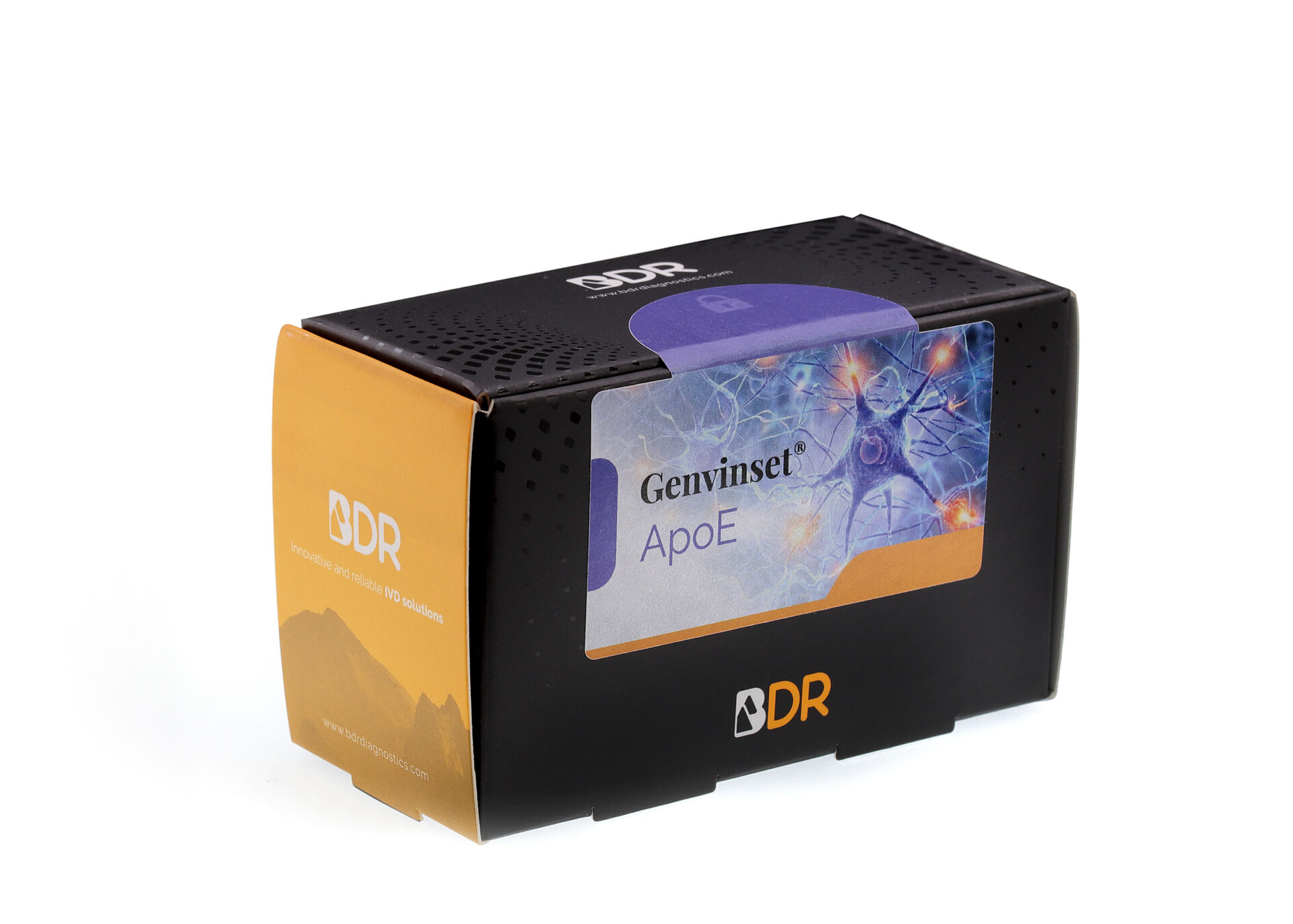
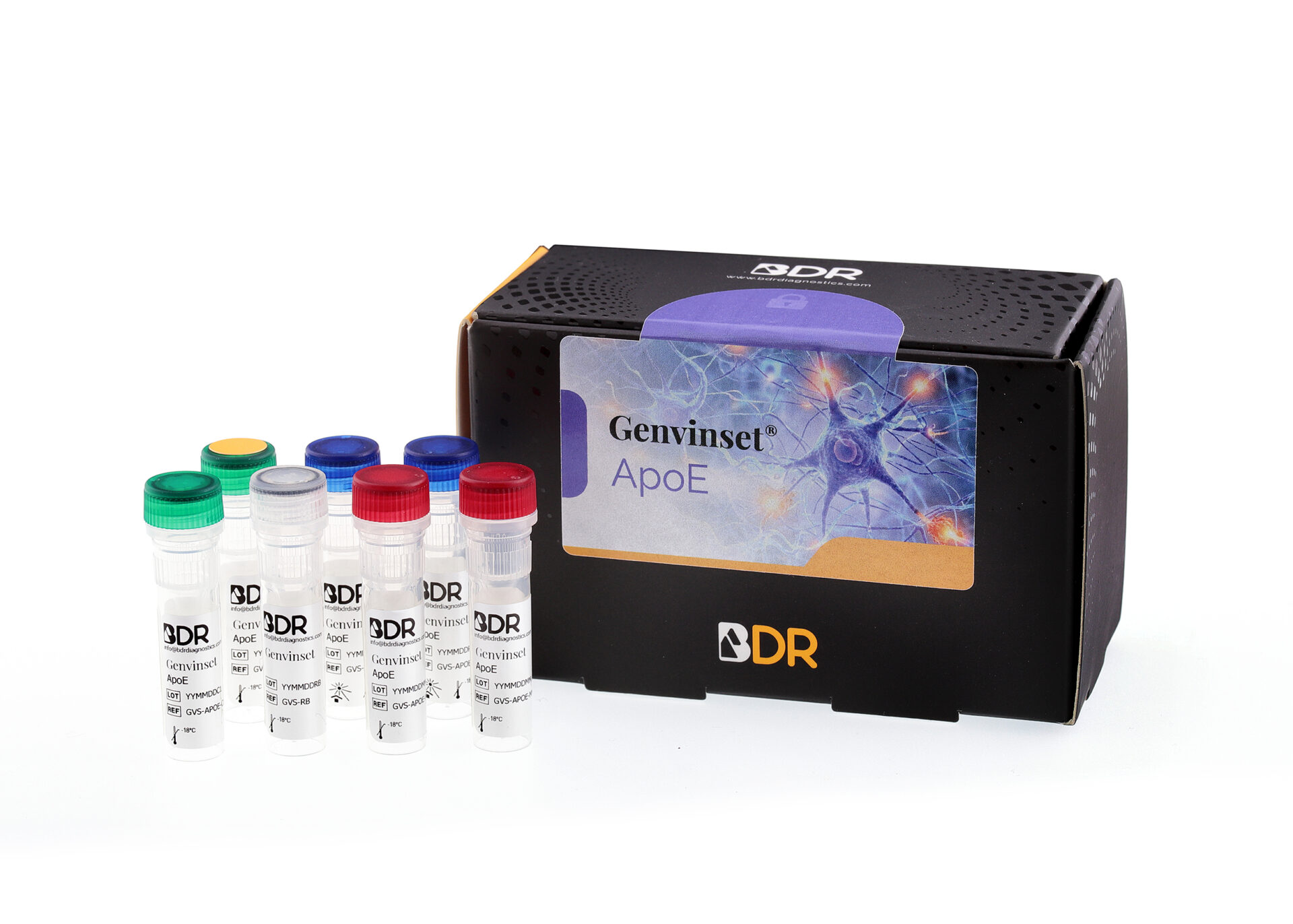
Genvinset® ApoE is a semi-automated in vitro diagnostic kit for the qualitative detection of APOE gene genotypes (ε2, ε3 and ε4) in genomic DNA extracted from whole blood, associated with predisposition to late-onset Alzheimer’s disease, using Real-Time PCR technology with specific TaqMan® probes.
The patient referred by the corresponding healthcare professional (neurologist, geriatrician, internal medicine physician), and taking into account the compatibility of the symptoms presented, such as progressive cognitive impairment, and/or his or her family history (for example, a direct ascendant diagnosed with late-onset Alzheimer’s disease), may be subject to APOE genotyping. The results of this test should not be the only ones on which the therapeutic decision is based and should be used as an aid in the diagnosis together with results of other markers of the disease.
The intended user of the kit is technical personnel trained to carry out the protocol and the interpretation of results described in the instructions for use.

Sample homozygous wild-type for rs429358 and heterozygous for rs7412 (ε2/ε3)
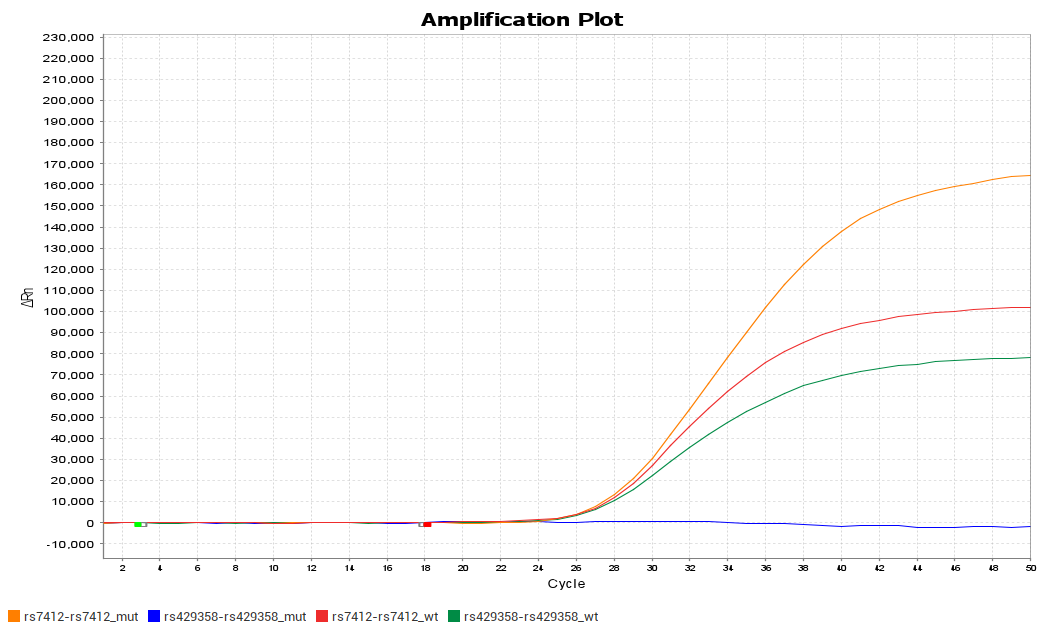
Sample homozygous mutant for rs429358 and homozygous wild-type for rs7412 (ε4/ε4)
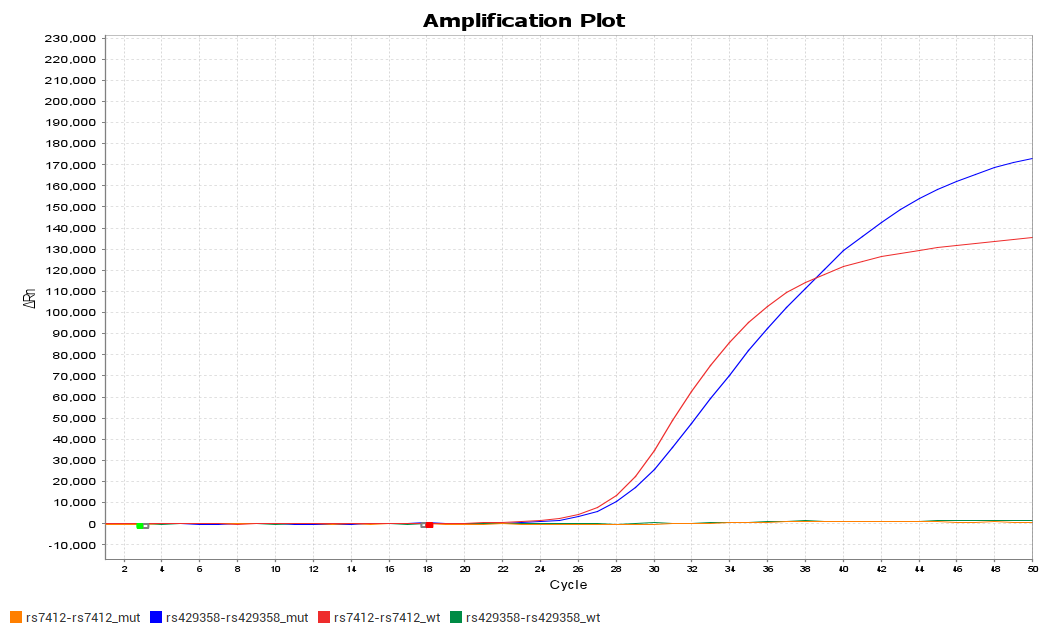
Comparable results are obtained for the remaining possible genotypes